
Established facts
Keep the name, role and existing history central.
One habit, a fitting origin and room for change
Turn one repeated behaviour into a recognisable character habit. Add a fitting origin, clear triggers and useful roleplaying cues while keeping choices with the player.

One habit. A recognisable character.
Build on the character you already know.
Keep the name, role and existing history central.
Choose one habit with a fitting strength and tone.
Give it triggers, observers and roleplaying detail.
Leave a believable possibility to develop over time.

Connect the habit to its history
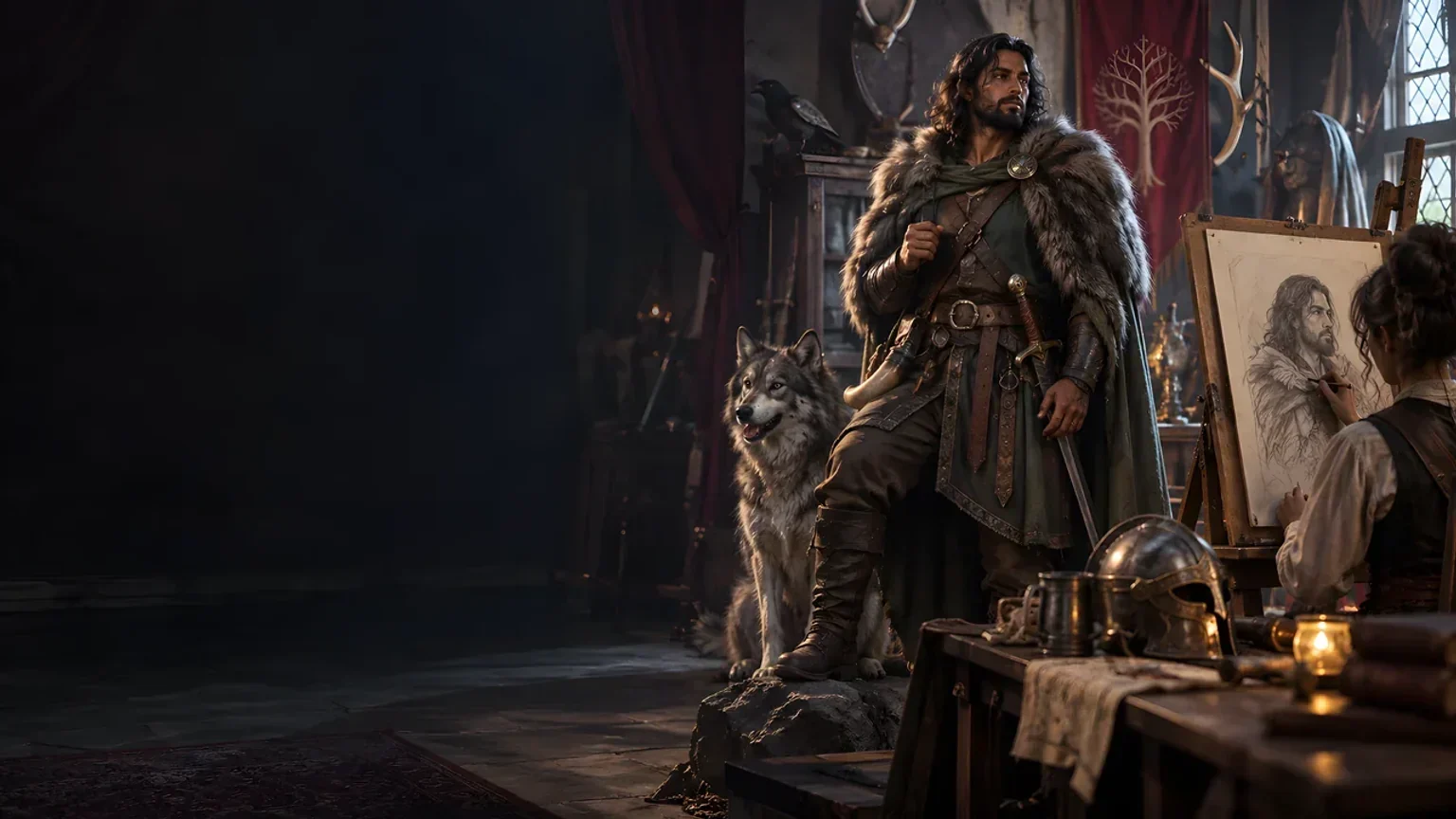
The illustration represents fictional scene preparation, not an application screen or generated image output.
Start with established character facts.
Review triggers, table cues and story hooks.
From character facts to table moments
Prepare material the player can choose to portray.
Enter the name, established facts and role.
Choose strength and tone, from tiny quirk to defining flaw.
Add an origin, two triggers and someone who notices.
Review two hooks, two tips and a possible route toward change.
Your character-habit toolkit
Connect behaviour, origin and useful opportunities for play.
Ground the habit in the character’s name, role and existing history.
Explore fidgeting, lateness, hoarding, interrupting, gambling, boasting, snacking or borrowing.
Choose one of six strengths, from tiny quirk to defining flaw.
Use childhood, hard times, admiration, loss, an old success or an accident.
Describe how the habit appears at the table and who notices.
Prepare two story hooks, two roleplaying tips and a possible route toward change.
Lock, change and edit individual sections, then save and reopen versions.
Copy, export as JSON or print a chosen view; check character-facing details first.
Choose the depth of preparation
Keep the habit consistent with the character’s established history.
Start with name, facts, role, strength and tone.
Choose a habit, origin, fact to build on and things to avoid.
Keep Dungeon Master context in your own notes.
Choose the degree that fits your table and character.
Keep useful character material
Shape the details you want to bring to play.
Lock, change and edit useful parts.
Keep and reopen character habits.
Prepare a Dungeon Master dossier or character note.
Review the current details before sharing or exporting.

Character material to review
Review the habit, triggers and table cues.
Keep the hooks, tips and possible route toward change.
Review character-facing details before sharing.
The player chooses the portrayal
Keep character choice and established personality intact.
The player decides whether and how the habit appears.
Use triggers and hooks without forcing an outcome.
Check current character-facing details and keep private context separate.
No applied mechanic, penalty or Combat PRO handoff.
Choose your generator access
Choose the required generator access and review current pricing in your account.
Choose the required access for Bad Habit Generator as a selected standalone generator.
Select this generator within an eligible pack. Review current capacity and pricing in your account.
Other generators, Battlemaps and image-credit products have their own access arrangements. They are not included automatically.
Create a free account, choose the required generator access and use Desktop Command Centre on Windows.
VISINVOKE means value
A focused tool for character habits, roleplaying cues and story hooks.

Build on facts already established.
Prepare triggers and how the habit appears.
Review two hooks and two practical tips.
Leave character portrayal with the player.
Build your tabletop toolkit
Each card opens its own product website. Review purpose and access separately; related products do not promise included access or automatic synchronisation.

Open your VISINVOKE products from Windows.

Frame a live exchange after an established social mistake.

Build the wider setting around your campaign.

Develop the places your party travels through.

Explore separate adventure environments.
Explore separate fantasy image creation.
Product artwork illustrates fictional scene preparation, not application screens or actual generated image output.
Quick answers
Understand the habit, origin, revision, sharing and access.
Create one repeated character behaviour with a fitting origin, two triggers, table cues, someone who notices, two story hooks, two roleplaying tips and a possible route toward change. Ground it in established character facts and leave portrayal to the player.
Create a free VISINVOKE account and review current generator access and pricing in your account. Choose the required access for this selected generator or an eligible generator pack. Other VISINVOKE products have separate access arrangements.
Quick begins with the character’s name, established facts, role, strength and tone. Deep adds the chosen habit, a fitting origin, an established fact to build on, things to avoid and private context.
Choose fidgeting, lateness, hoarding, interrupting, gambling, boasting, snacking or borrowing. Set a tiny quirk, noticeable habit, real habit, problem habit, serious habit or defining flaw, while retaining the character’s established personality.
Lock, change and edit individual sections. Save versions and reopen the habit’s origin, triggers, cues, observers, hooks, tips and possible change. Copy, export as JSON or print a chosen Dungeon Master dossier or character note. Review the current character-facing details before sharing and keep private context in your own notes.
Open Bad Habit Generator from the Generators collection in Desktop Command Centre on Windows. The player chooses whether and how the habit appears. It applies no mechanic or penalty and sends nothing to Combat PRO. Use the material as fictional roleplaying preparation, not a diagnosis.
Continue in VISINVOKE
Create a free VISINVOKE account and choose generator access.
Get Desktop Command Centre from your account installer page. Sign in on Windows and open Bad Habit Generator.